Meditation has been shown to have numerous benefits for both the mind and body. It can help improve focus and concentration, reduce stress and anxiety, and promote better sleep. Due to the growing popularity of meditation, there is a growing demand for trained facilitators. If you’re interested in becoming a meditation facilitator, then this guide is for you. This guide will walk you through everything you need to know – from the basics of meditation to the different types of meditation facilitator training available.
What Are the Benefits of Meditation?
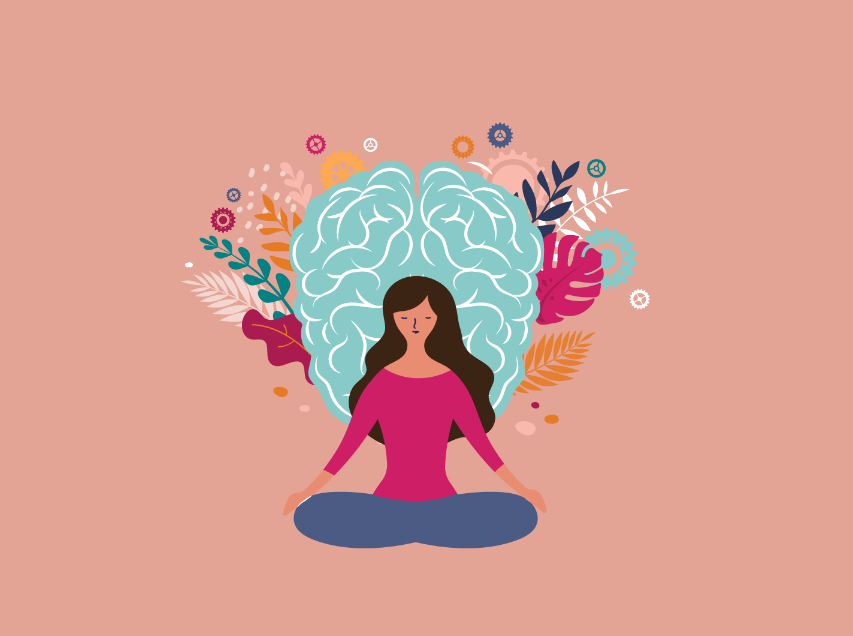
According to a study by Harvard Medical School, “meditation produces measurable changes in brain structure…” These changes include the increased grey matter in areas associated with attention, sensory processing and emotional regulation. Other research has found that meditation increases activity in parts of the brain associated with positive emotions like happiness and compassion, as well as improved immune function.
Types of Meditation:
There are many different types of meditation that you can use with your clients or students. Some types include:
- Mindfulness meditation involves focusing on things like breathing exercises or body scans.
- Transcendental meditation involves repeating a mantra over and over again while sitting still in silence or lying down.
- Kundalini yoga uses breathing techniques as well as physical movements such as poses (asanas) and postures (asanas).
- Yoga Nidra uses guided visualizations and mental imagery during deep relaxation sessions that can help people sleep better at night.
Who Should Learn Meditation?
Anyone can benefit from learning how to meditate. Meditation has been shown to have numerous benefits for both the mind and body. It can help improve focus and concentration, reduce stress and anxiety, and promote better sleep. In addition, it has been shown to increase happiness levels by boosting serotonin levels in the brain.
Who Can Become a Meditation Facilitator?
Meditation can be practised by people from all walks of life and at any age. It doesn’t require any special skills or education, although some people may find it difficult to meditate at first if they haven’t practised before or have trouble relaxing their minds. If this sounds like you, then don’t worry – anyone can learn how to meditate!
How Do You Learn to Meditate?
There are many different types of meditation, but they all share the same basic principles. The most important thing to remember is that you should never force yourself to meditate. It should be done in a relaxed and comfortable position, preferably when you’re alone so that nobody will disturb your concentration.
Meditation facilitator training is an ancient practice that has been used for thousands of years and has numerous health benefits.