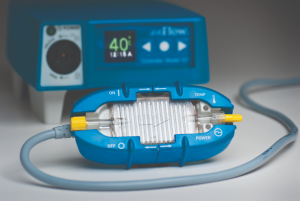
Surgical advancements have transformed the healthcare industry, revolutionizing procedures to improve efficiency, precision, and patient safety. Electrosurgical instruments, in particular, have emerged as indispensable tools in modern operating rooms due to their ability to enhance surgical outcomes. Complementing these instruments are patient positioners, which ensure optimal patient alignment during procedures. This post will explore how these innovations are reshaping surgical practices and why they are critical components in delivering high-quality care.
The Role of Electrosurgical Instruments in Modern Surgery
Electrosurgical instruments are designed to perform controlled cutting and coagulation during surgical procedures using high-frequency electrical currents. These tools help reduce blood loss, increase precision, and minimize tissue damage, which can be vital in ensuring faster postoperative recovery times for patients. The widespread application of electrosurgical technology spans general surgery, dermatology, and laparoscopic procedures. According to research from AMA Surgical, electrosurgery has seen a 15% reduction in operating time compared to traditional methods, underscoring its importance in efficiency-driven surgical settings.
Moreover, the versatility of electrosurgical instruments means surgeons can adapt to various surgical needs, leveraging specialized tips and accessories tailored for complex cases. As hospitals continue to adopt minimally invasive surgical methods, these instruments have become even more crucial in addressing both aesthetic and lifesaving procedures.
Precision Matters: The Importance of Patient Positioners
Equally important in modern surgical settings are patient positioners, which ensure patients remain safely and comfortably positioned during operations. Improper alignment can compromise surgical outcomes, hinder access to critical anatomical areas, and even increase the risk of pressure-related injuries. For high-stakes surgeries, patient positioners offer the strategic advantage of enhanced visibility and accessibility.
For example, orthopedic procedures often require precise positioning of joints and limbs. Studies indicate that using advanced patient positioners has led to improved procedural accuracy by as much as 20%. Moreover, these tools support patient safety and keep surgeons focused on the task at hand, allowing for unhindered movement and reducing the overall risk of surgical errors.
A Collaborative Future in Healthcare
By integrating electrosurgical instruments and patient positioners into surgical workflows, healthcare institutions bridge the gap between technological innovation and safety. As robotics and AI supplement surgical practices, these tools remain foundational, providing both precision and efficiency. Future developments promise even greater advancements in biomaterial compatibility and electrical energy modulation that can elevate surgical care further.
Conclusion
The combination of electrosurgical instruments and patient positioners continues to drive transformative change in surgical procedures. By ensuring precise performance and optimal patient alignment, these tools remain at the forefront of modern medicine’s commitment to delivering faster recoveries and better outcomes. For healthcare facilities aiming to improve their surgical efficacy, these innovations are more than just tools—they are essential allies in shaping the future of surgical care.