Living with chronic mental health struggles that do not respond to conventional medications can feel exhausting. For millions of individuals, standard selective serotonin reuptake inhibitors (SSRIs) and traditional psychotherapy offer profound relief. However, a significant percentage of patients experience treatment-resistant depression (TRD), meaning their symptoms persist despite trying multiple medications and therapeutic approaches over several years. This frustrating cycle often leaves individuals searching for alternative clinical interventions that work differently than traditional pharmaceuticals.
In recent years, medical research has shifted toward innovative psychiatric treatments that target different neurological pathways in the brain. When exploring options for specialized psychiatric care, clinics like Iris Medical Group focus on providing comprehensive evaluations to determine if alternative modalities align with an individual’s specific clinical history. Understanding how these modern therapies operate can help patients and their families make informed decisions about their mental healthcare journey without feeling overwhelmed by medical jargon.
What is Ketamine Therapy and How Does It Differ?
Traditionally known as an anesthetic agent used in surgical settings, ketamine has emerged as a groundbreaking treatment for severe mood disorders. Unlike standard antidepressants that primarily regulate serotonin or norepinephrine over the course of weeks or months, ketamine acts on the brain’s glutamatergic system. Glutamate is the most abundant chemical messenger in the brain, responsible for regulating mood, cognition, and neural communication.
By blocking specific receptors in the brain, ketamine triggers a rapid surge in synaptic plasticity. This process helps form new neural connections and repairs damaged pathways caused by chronic stress and prolonged depression. For many patients, the most striking aspect of this treatment is the speed of potential relief. While traditional antidepressants can take four to six weeks to show noticeable effects, ketamine infusions or nasal formulations can produce measurable improvements in mood within hours or days.
Who Might Be a Candidate for Treatment?
Ketamine therapy is not typically prescribed as a first-line treatment for depression or anxiety. Instead, medical professionals reserve it for individuals who meet specific clinical criteria:
- Treatment-Resistant Depression: Patients who have tried two or more conventional antidepressant medications at adequate doses and durations without achieving remission.
- Severe Anxiety Disorders: Individuals suffering from debilitating generalized anxiety or social anxiety that impairs daily functioning.
- Post-Traumatic Stress Disorder (PTSD): Veterans or trauma survivors experiencing persistent intrusive thoughts, hypervigilance, and emotional numbness unresponsive to standard therapies.
- Acute Suicidal Ideation: Situations requiring rapid intervention to reduce acute psychological distress under strict medical supervision.
Before starting any protocol, a thorough psychiatric evaluation is essential. Healthcare providers review medical history, current medications, cardiovascular health, and substance use history to ensure the patient is a safe candidate for the procedure.
What to Expect During a Session
Knowing what happens during an appointment can significantly reduce anxiety for first-time patients. A standard ketamine therapy session typically follows a structured, multi-step clinical process:
1. Preparation and Baseline Assessment
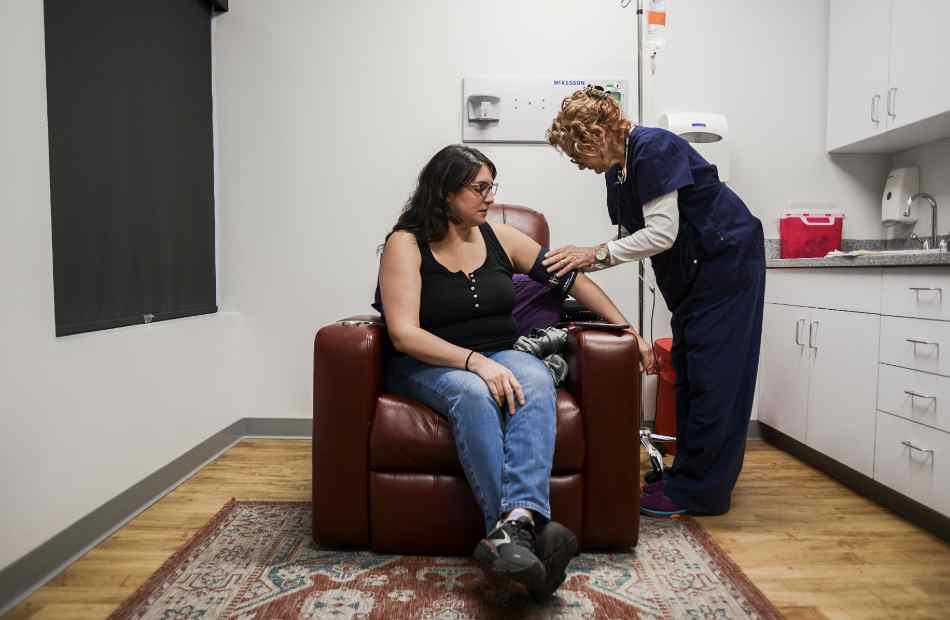
Prior to the session, clinical staff measure vital signs, including blood pressure and heart rate. The provider discusses what the patient can expect and ensures they are in a calm, comfortable state of mind. Patients are advised to wear comfortable clothing and avoid heavy meals beforehand.
2. Administration
Ketamine is most commonly administered via an intravenous (IV) infusion over the course of 40 to 60 minutes. Alternatively, esketamine nasal spray may be used under direct medical supervision in a certified clinic. During the infusion, patients remain awake and conscious, though they may experience a mild altered state of perception, floating sensations, or heightened sensory awareness.
3. Recovery and Integration
Once the administration is complete, patients rest in a quiet, dimly lit recovery room for roughly 30 to 60 minutes while vital signs return to baseline. Because ketamine temporarily affects coordination and alertness, patients must arrange for a trusted friend or family member to drive them home afterward.
Safety, Side Effects, and Potential Risks
While clinical studies demonstrate promising results for treatment-resistant conditions, ketamine therapy must always be administered in a controlled medical environment. Self-medicating or using recreational ketamine is dangerous and ineffective.
Common short-term side effects experienced during or immediately after administration include:
- Mild dizziness or lightheadedness
- Temporary nausea
- Transient increases in blood pressure and heart rate
- Mild visual or auditory distortions
These side effects typically subside quickly once the session ends. Long-term safety protocols involve monitoring patients over a series of sessions—often starting with a series of six infusions over two to three weeks—followed by periodic maintenance sessions depending on individual clinical response.
Integrating Therapy into Long-Term Wellness
Ketamine therapy is rarely viewed as a standalone cure. Instead, it acts as a neurological catalyst, opening a window of neuroplasticity that makes the brain more receptive to other forms of healing. To maximize long-term benefits, patients are strongly encouraged to combine medical treatments with ongoing psychotherapy, lifestyle modifications, and stress-reduction techniques.
Working closely with mental health professionals allows individuals to process underlying emotional traumas, build healthier coping mechanisms, and reinforce positive behavioral patterns. Healing from chronic mental health conditions takes time, patience, and a supportive multidisciplinary approach. By staying informed and working with qualified medical teams, patients can take confident steps toward reclaiming their mental wellness and long-term quality of life.


