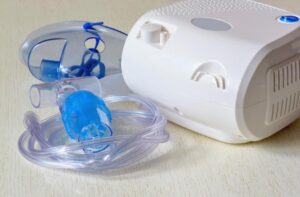
In the world of healthcare, maintaining a sterile environment is of paramount importance. Among the various tools employed to achieve this, one stands out due to its ubiquity and effectiveness – the autoclave machine from Australia. This piece of equipment plays a crucial role in ensuring the safety of both patients and medical professionals by eliminating harmful microorganisms.
Understanding the Autoclave Machine
Commonly referred to as a sterilizer, an autoclave is a device that uses steam under pressure to kill harmful bacteria, viruses, fungi, and spores. The high-pressure steam at temperatures above boiling point ensures that no living microorganism can survive. An autoclave is essential for preventing infections during medical procedures.
Importance of Sterilization in Healthcare
Sterilization in healthcare facilities is not just a requirement but a necessity. Every instrument that comes into contact with the patient’s body, directly or indirectly, needs to be thoroughly cleaned and sterilized. This includes everything from surgical instruments to the linens used in hospitals.
Autoclave vs. Other Sterilization Methods
There are several methods of sterilization used in healthcare settings, including chemical sterilization, radiation, and heat. While each method has its advantages, the autoclave stands out for its efficiency and simplicity. Unlike other methods, autoclaving does not leave any toxic residues, making it safe for humans and the environment.
Autoclave Machine in Action
The process of sterilization using an autoclave involves several steps. First, the items to be sterilized are cleaned to remove any dirt or organic matter. They are then placed in the autoclave, which is sealed and pressurized. The high-temperature steam is then introduced, killing off any microorganisms.
Autoclave and Other Medical Equipment
While the autoclave plays a significant role in sterilization, it’s just one part of the larger medical equipment ecosystem. For instance, an ECG machine in Australia, used to monitor the electrical activity of the heart, is another crucial piece of equipment. While it doesn’t require sterilization like surgical instruments, it still needs regular cleaning to ensure accurate readings and patient safety.
Conclusion
The role of the autoclave machine from Australia in a medical setting cannot be overstated. It is a vital tool in the fight against infection, ensuring that medical procedures can be carried out safely and effectively. Whether it’s a large hospital or a small clinic, an autoclave is an indispensable piece of equipment, contributing significantly to the overall standard of care provided.