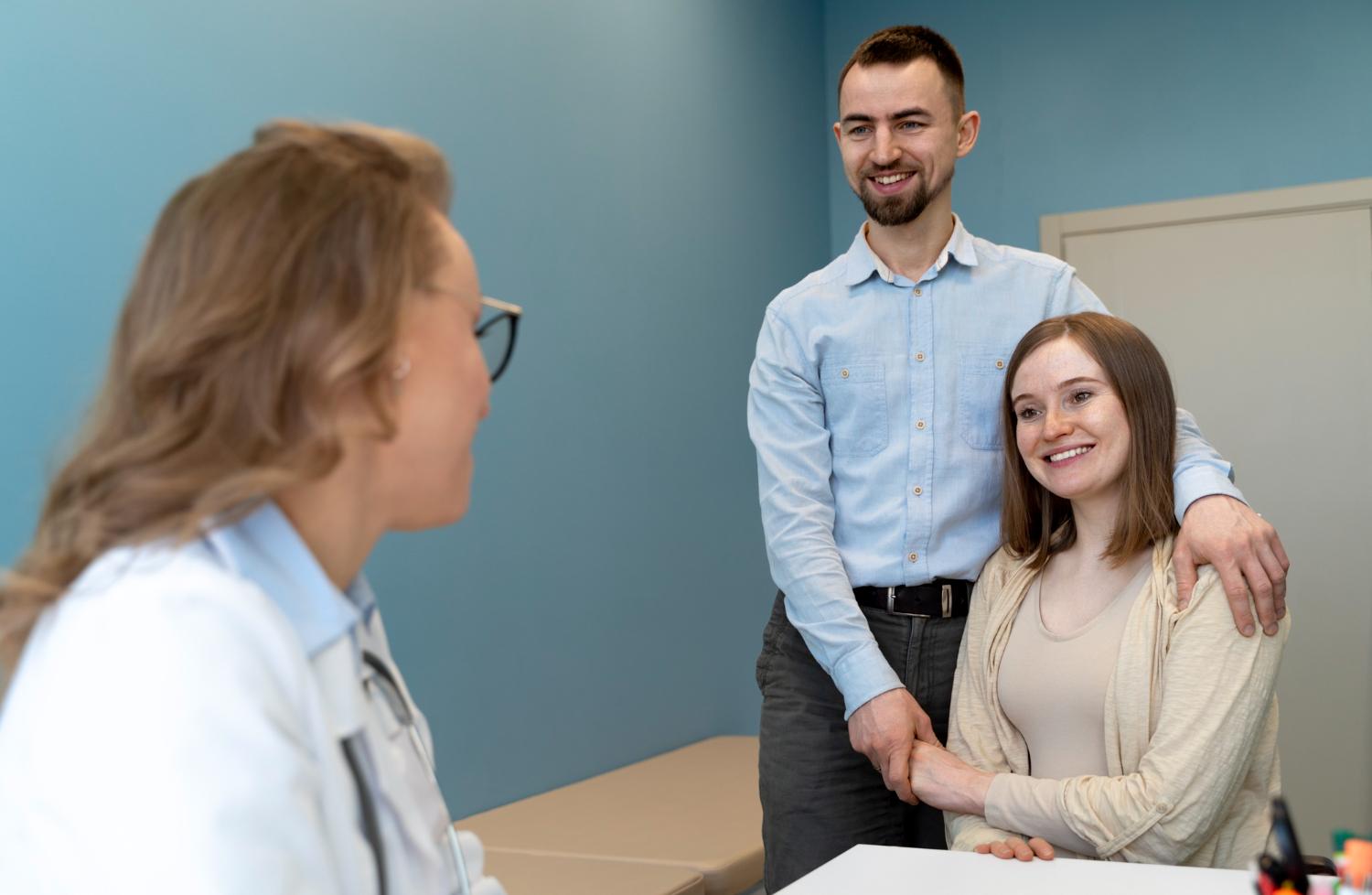
Preparing for pregnancy is more than just timing and good intentions; it’s a medically guided process that can have lasting effects on both maternal and infant health. That’s why many individuals and couples are turning to specialists for preconception care, seeking expert input on everything from nutrition and chronic illness management to genetic screening and mental health.
In an age where personalised medicine is reshaping healthcare, this early-stage intervention has never been more important.
Addressing Health Risks Before Pregnancy
One of the key benefits of consulting a specialist is early detection and mitigation of potential risks. Conditions like diabetes, thyroid dysfunction, high blood pressure, and obesity can all impact fertility and pregnancy outcomes. A specialist can tailor a care plan to address these issues long before conception, reducing complications later. This proactive approach doesn’t just improve maternal health, it can enhance foetal development and decrease risks such as preterm birth or low birth weight.
Medication and Supplement Guidance
Not all vitamins and medications are safe during pregnancy, and some need to be adjusted or stopped well before conception occurs. Specialists can review current prescriptions and recommend appropriate prenatal supplements such as folic acid, iron, and omega-3s. Timing and dosage matter, and generic online advice often falls short of what a trained professional can provide.
Managing Fertility Challenges
Many couples face delays in conception, often due to underlying medical or hormonal issues. Fertility specialists, including endocrinologists and reproductive gynaecologists, use evidence-based diagnostics to identify the root causes. Ovulation irregularities, polycystic ovarian syndrome (PCOS), endometriosis, and male-factor infertility can all be better managed when addressed early through expert care.
Mental and Emotional Preparedness
Mental health is often overlooked in pre-pregnancy planning. Anxiety, depression, or unresolved trauma can interfere with conception and affect prenatal well-being. Specialists in preconception counselling or psychiatry can help individuals address emotional readiness, making the transition to parenthood more stable and supportive for both parents and child.
Age-Related Considerations and Genetic Screening
For those over 35 or with a family history of inherited conditions, specialists offer tailored risk assessments and genetic screening options. These discussions are often best led by someone who understands not just the science but the emotional and ethical considerations involved. A trusted gynaecologist in Durban, for example, may also refer patients to genetic counsellors if necessary.
Engaging a medical professional for preconception care is not about overmedicalising a natural process; it’s about empowering yourself with accurate, personalised information. Informed decisions made before pregnancy can dramatically affect outcomes, making expert care a foundational step in building a healthy family.