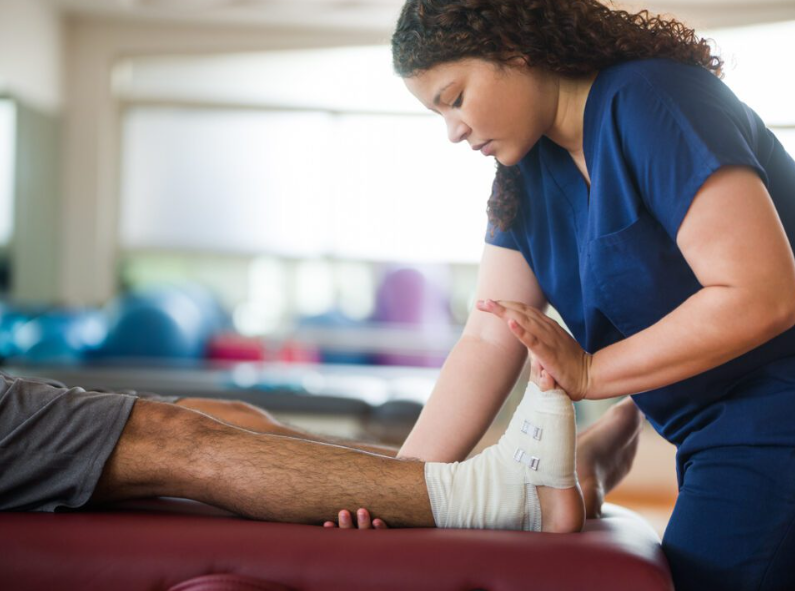
Staying active and participating in sports is an excellent way to maintain your health and well-being. However, the physical demands of these activities can sometimes lead to injuries or strains that need specialized care. That’s where a sports medicine physician comes in. At WESBMD, we offer comprehensive sports medicine services designed to help athletes of all levels recover, perform better, and prevent injuries. But how do you know when it’s time to seek specialized care? Here are several signs to watch for that indicate you may benefit from seeing a sports medicine physician.
1. Persistent Pain After Injury
If you’ve experienced an injury and the pain persists for more than a few days, it’s time to consult a sports medicine physician. Whether it’s a sprain, strain, or any other injury, the body’s natural response to healing can sometimes be delayed or complicated. A sports medicine physician can accurately assess the severity of your injury, recommend treatments, and guide you through a recovery plan. Delaying treatment can lead to long-term damage or even permanent impairment.
2. Difficulty Moving or Using a Joint
Joint pain or stiffness is common among athletes, but it should not be something you live with indefinitely. If you’re having difficulty moving a joint or if you feel pain when using it, it could be a sign of an underlying issue like tendinitis, ligament damage, or even a tear in the cartilage. A sports medicine physician specializes in diagnosing and treating joint injuries and can suggest personalized exercises, physical therapy, or non-invasive treatments to improve your mobility.
3. Recurrent Injuries or Overuse Injuries
Repetitive motions, especially in sports like running, swimming, or tennis, can lead to overuse injuries. If you’re repeatedly experiencing injuries in the same area of your body, this is a sign that something needs to change. A sports medicine physician can help by identifying the root cause of the problem and recommending adjustments in technique, recovery practices, or strength-building exercises to prevent further injuries. They will also assess whether your injury requires specialized treatment like platelet-rich plasma (PRP) therapy or other advanced solutions.
4. Decreased Performance or Endurance
If you find that your performance or endurance has decreased, even with consistent training, it may be time to consult a sports medicine physician. Performance plateaus can sometimes be linked to underlying issues like muscle imbalances, improper technique, or unnoticed injuries. A sports medicine specialist can assess your fitness routine, identify areas of concern, and offer advice on how to improve your performance through proper rehabilitation, targeted exercises, or other treatments.
5. No Improvement with Rest and Basic Treatments
While rest and basic self-care (like ice and elevation) are crucial parts of the recovery process, there are times when these methods alone won’t bring sufficient healing. If you’ve been resting an injured area for a while and still feel pain or discomfort, it’s time to seek specialized care. A sports medicine physician has access to a wider range of treatment options, from physical therapy to more advanced techniques such as stem cell therapy, ultrasound therapy, and regenerative medicine, all designed to speed up healing and return you to full activity.
6. You’re an Active Athlete or Frequent Exerciser
If you are an athlete or someone who exercises regularly, it’s important to keep a close eye on any discomfort or pain. Sports medicine physicians specialize in helping athletes recover from injuries, prevent future problems, and optimize performance. Whether you’re a weekend warrior or a professional athlete, having a specialized physician by your side can be incredibly beneficial in maintaining your long-term physical health.
7. You’ve Had a Sports-Related Surgery
If you’ve undergone surgery to repair a sports-related injury, it’s crucial to follow up with a sports medicine physician for post-operative care. A specialist can guide you through the rehabilitation process, monitor your recovery, and ensure that you’re on track to regain full functionality. Post-surgery care is crucial to avoid complications, prevent re-injury, and ensure you can return to your sport or activity as soon as possible.
Conclusion
Sports medicine physicians are specially trained to treat injuries related to physical activity, optimize performance, and provide recovery strategies that help athletes return to their best. If you’re experiencing pain, difficulty moving, recurrent injuries, or decreased performance,Taking the step to see a sports medicine physician could mean the difference between continuing to push through discomfort and fully recovering to achieve your fitness goals. Prioritize your health and take the next step in improving your performance and recovery!


